
THE ART OF DIALS'
CRAFTSMANSHIP
From the boldest expression to the most understated, every dial is a deliberate choice conceived to interact with light, reveal depth, and carry its own soul within the asymmetrical geometry of the case.
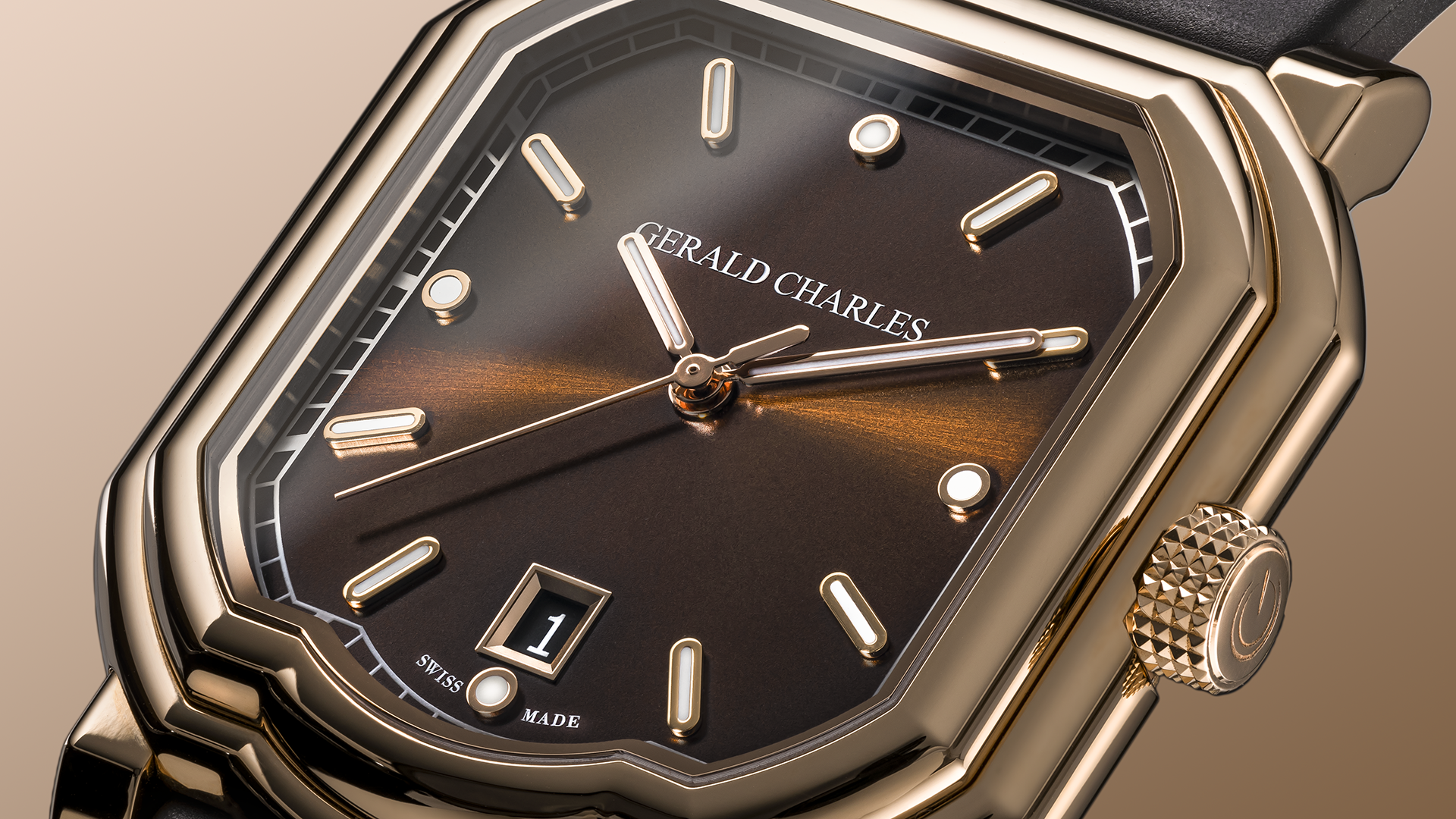
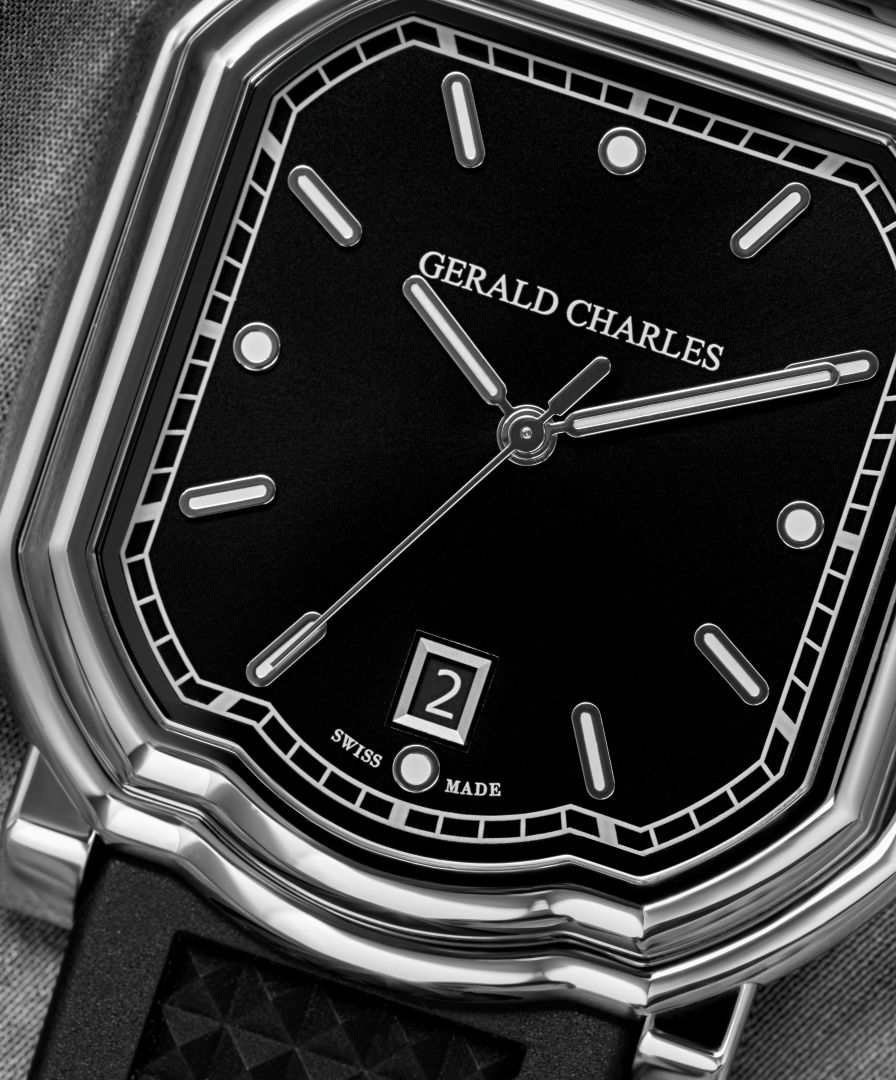
Sunburst
The sunburst dial is crafted by applying multiple layers of colour onto a finely engraved metal base, with radiating lines that reflect light evenly and create subtle texture with constantly shifting shades.
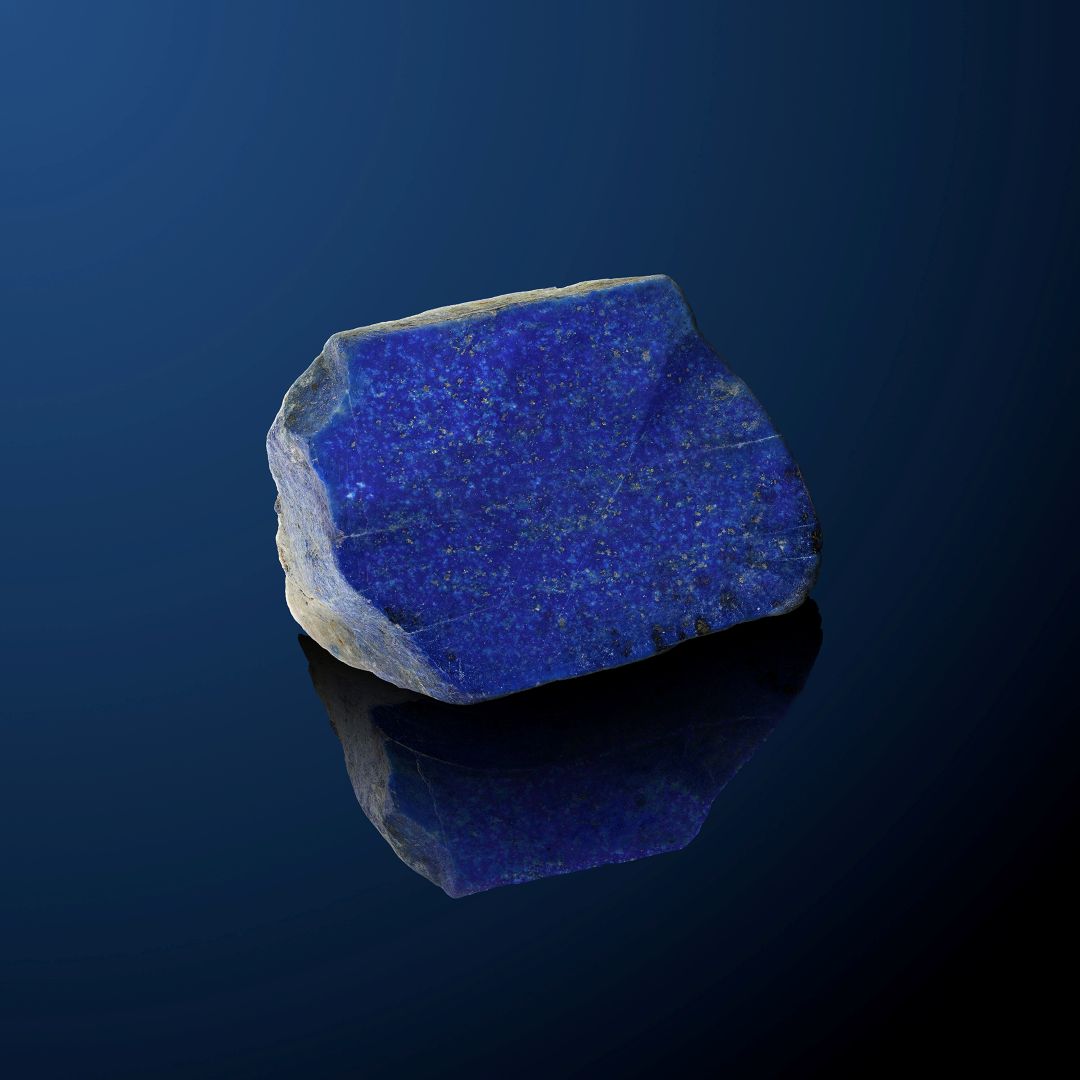
The complexity of stone dial
The Maestro case shape makes the creation of a stone dial exceptionally complex. Impossible to produce a century ago, today it can only be achieved through state-of-the-art five-axis machining driven by ultrasound vibrations, allowing natural stone to be sculpted micron by micron. A process that requires approximately five times more machining time than a standard round stone dial, while the risk of breakage is three to four times higher.
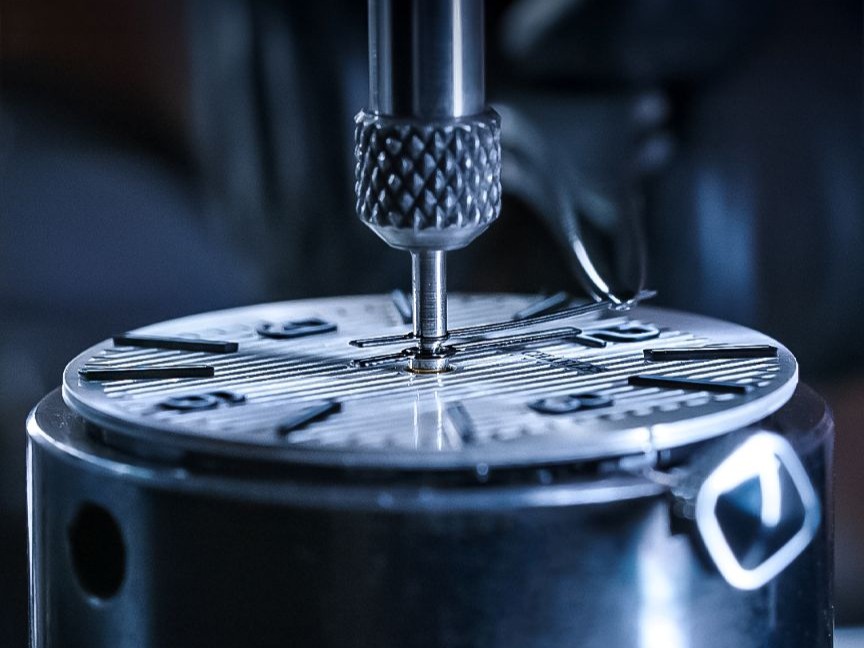
Double-layered
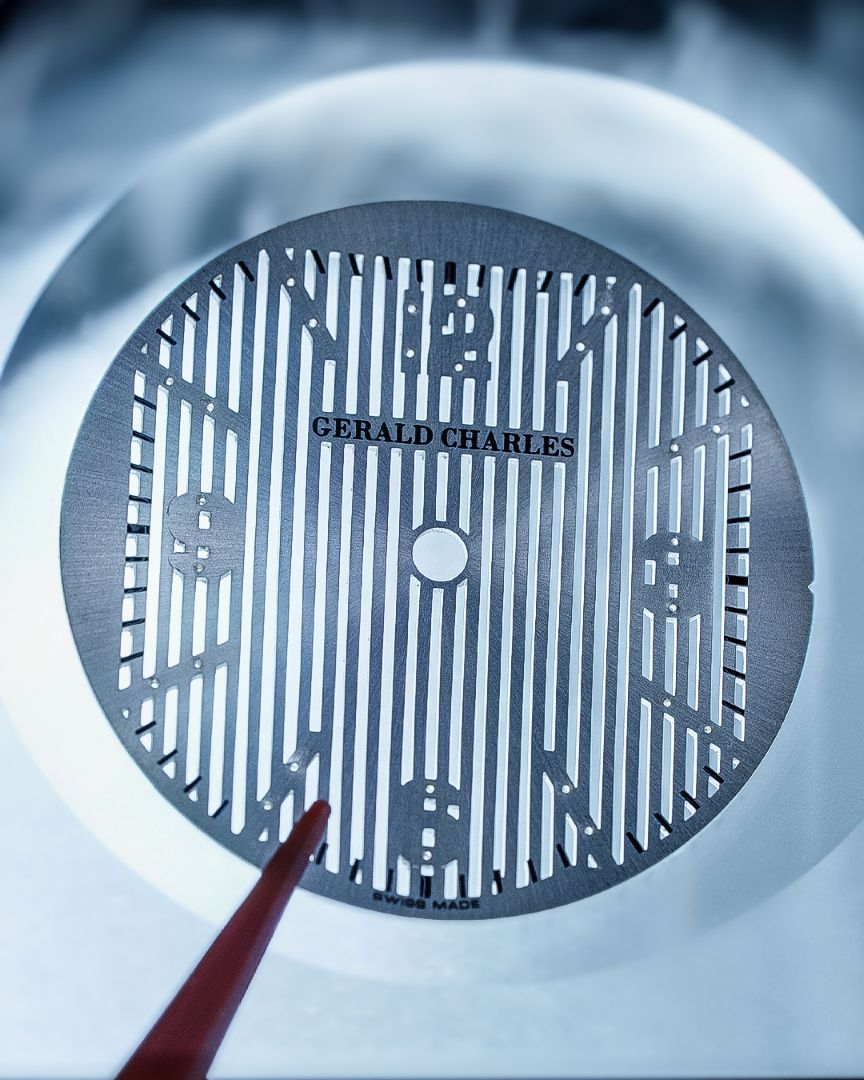
A rare double-layered construction that adds depth and visual complexity. While the lower layer features a sunburst finish that radiates light dynamically, the upper layer is distinguished by a vertical ribbed pattern, precisely applied to create a refined sense of structure and rhythm.
Grained
The dial features a fumé frame in a hammered inspired finishing liasing with the world of tennis. This artisanal texture is created using a special grained dial base, enhanced with colour and a clear glossy coating to produce a distinctive three-dimensional effect.
Handmade hammering
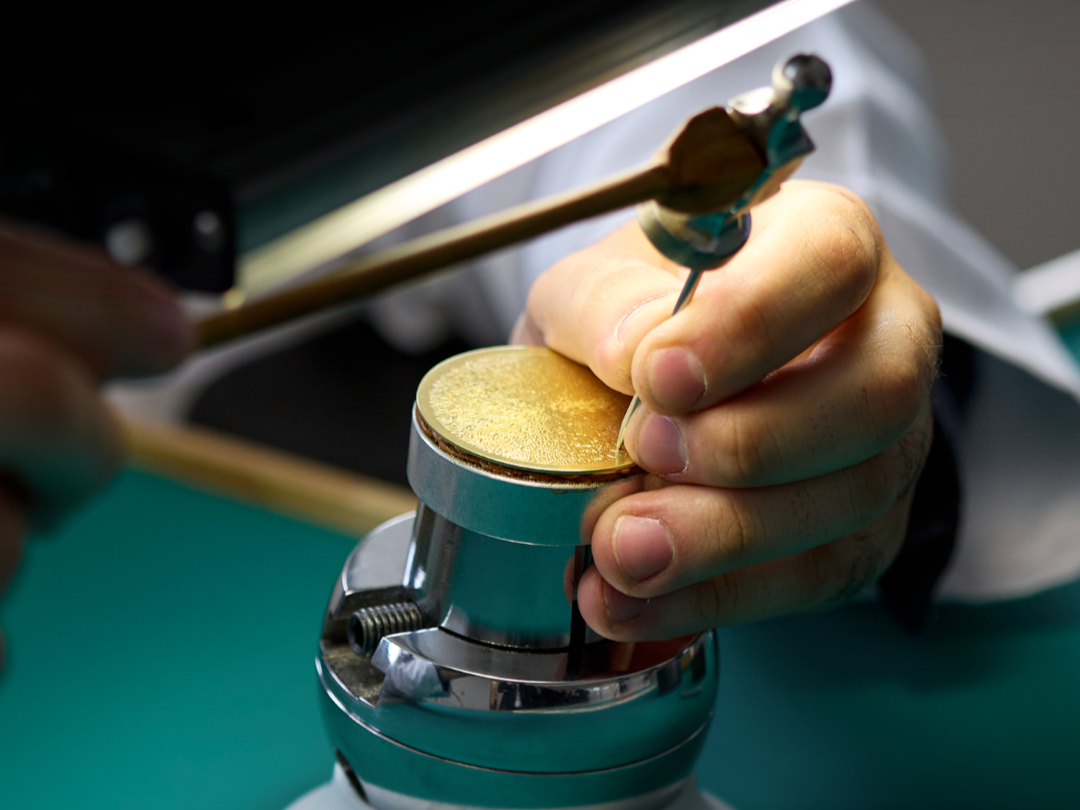
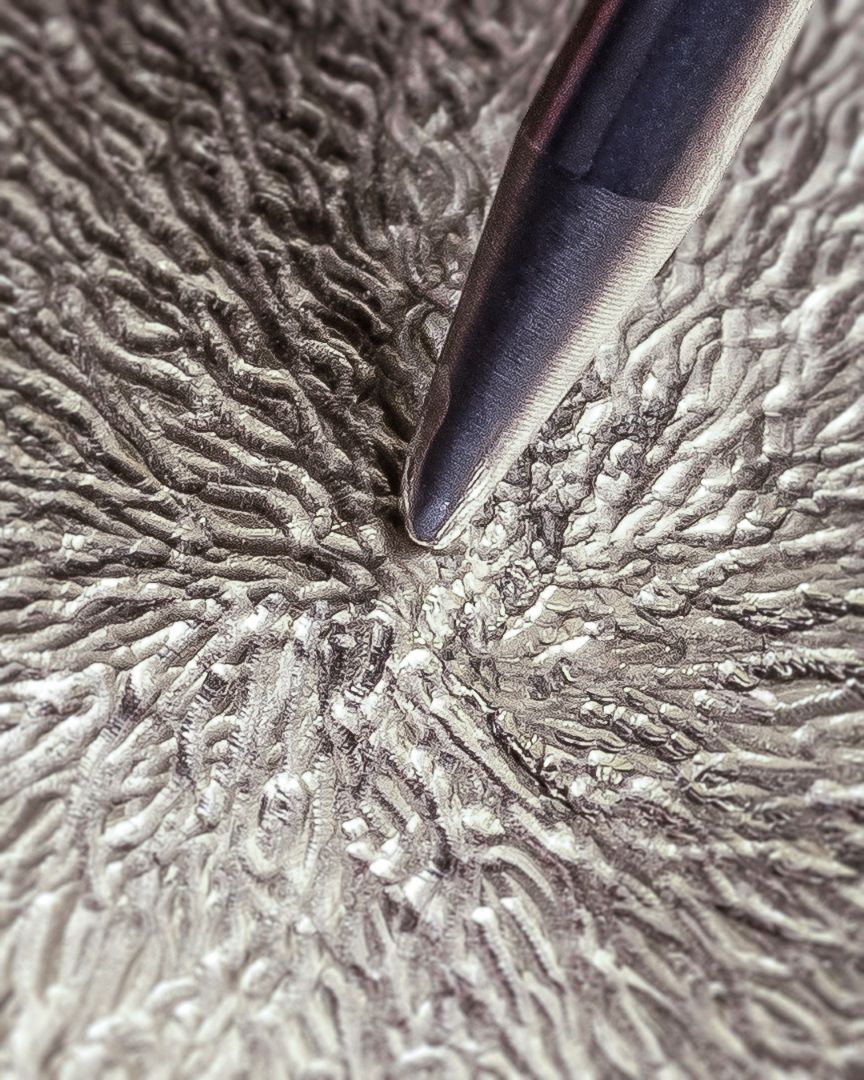
Entirely crafted by hand in Switzerland, this dial reveals a rare radial hammered finish composed of long, precise channels extending from the outer edge toward the center. Compared to the standard punctuated hammering, this radial execution requires a far greater level of control. Each vein is formed by highly trained artisans, who must apply the same pressure at every impact and the surface cannot be corrected by machine. Requiring several weeks of work for a single dial, the technique allows for the creation of only two pieces per month.
Mini-tapisserie
The Mini-tapisserie Clous de Paris dial features a finely engraved geometric pattern inspired by an original design from our founder, Mr. Gérald Genta, also found on the Maison’s original strap. Its sunburst base is composed of minute pyramidal forms, creating a first play of depth and light, while each Clou de Paris is individually brushed to enhance reflections with greater precision for a double visual effect.
Meta-guilloché
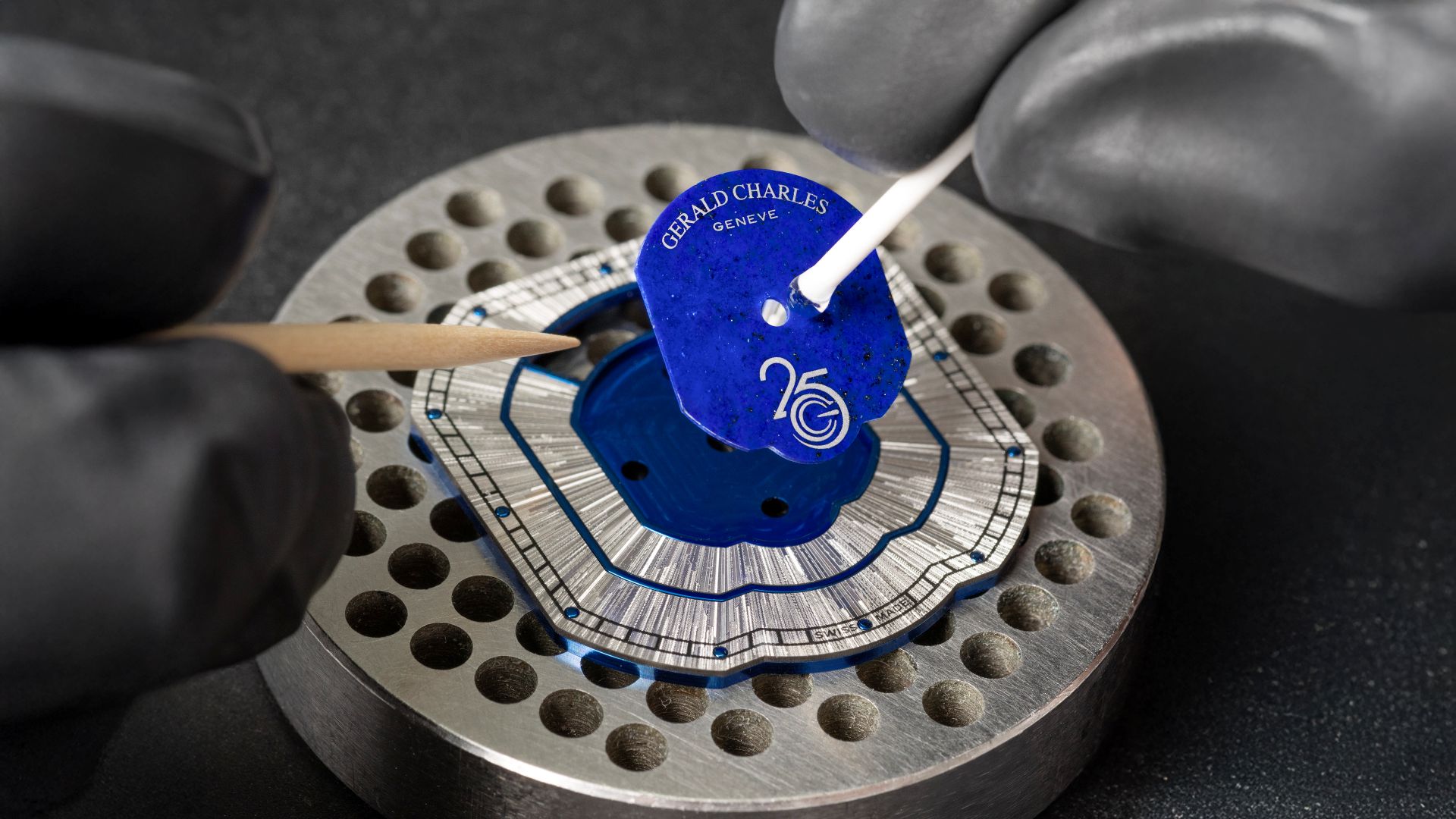
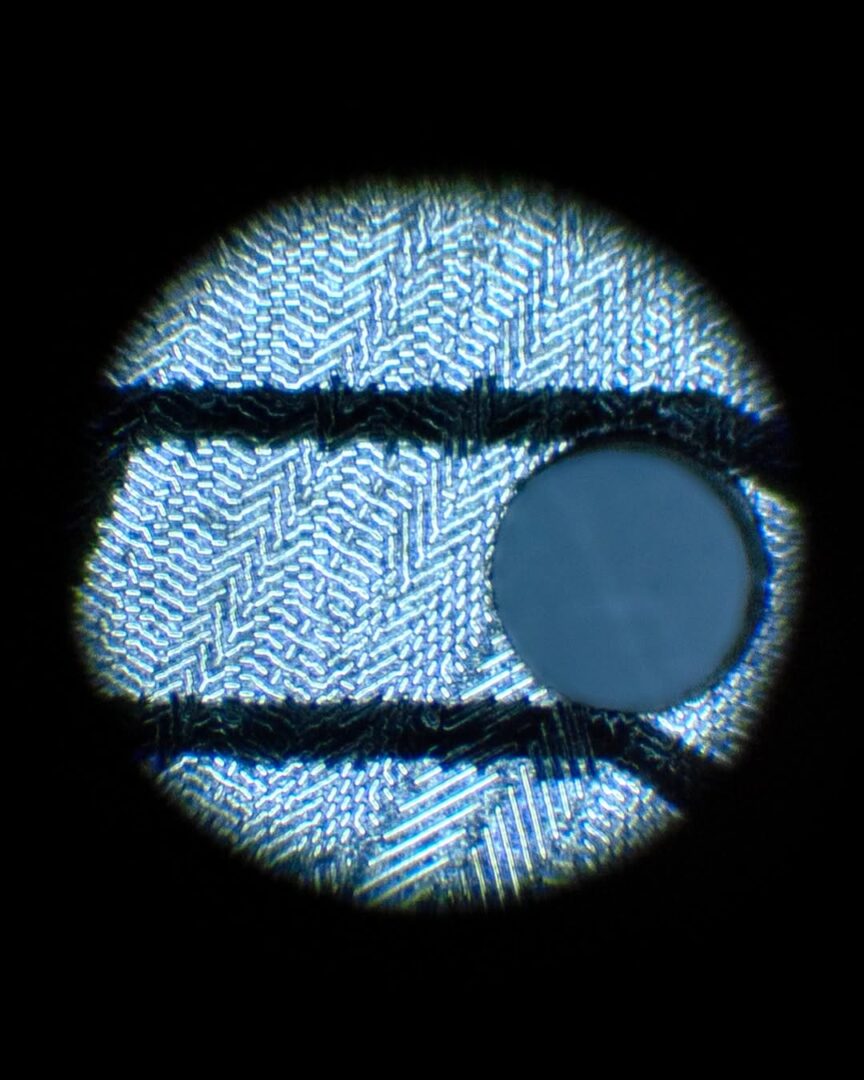
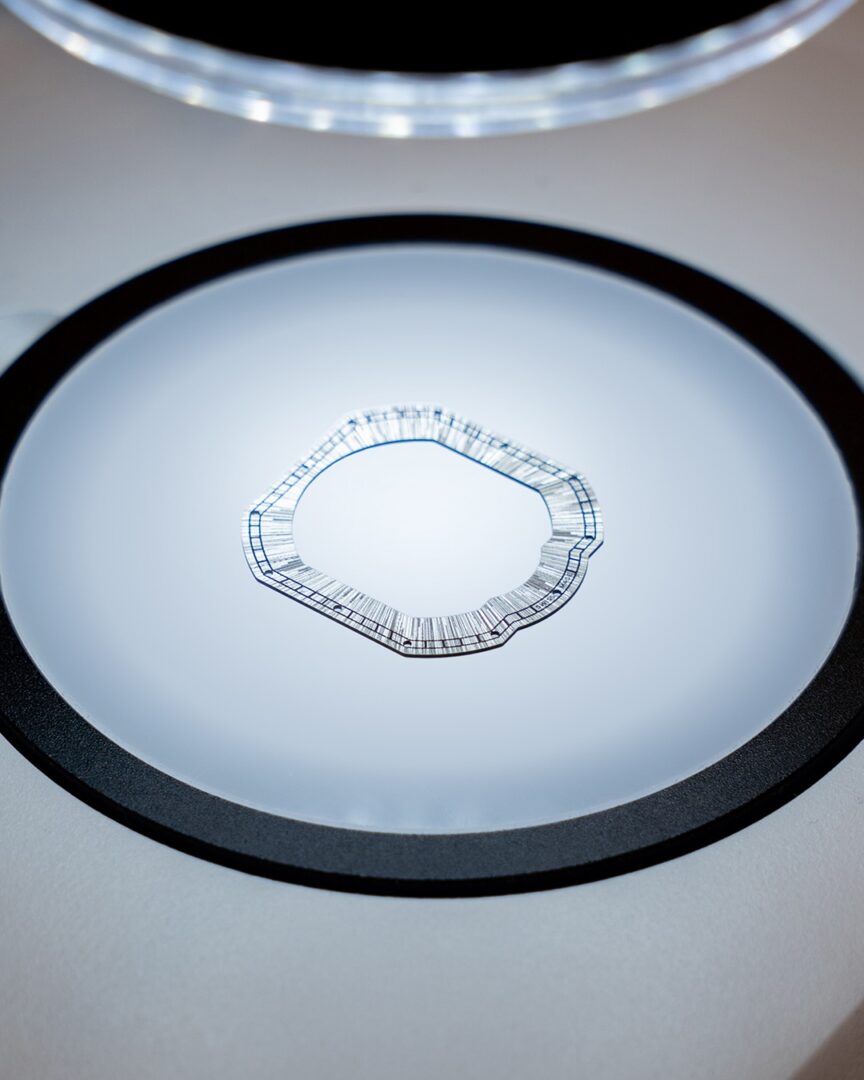
Meta-guilloché is a modern evolution of traditional guillochage, producing microscopic, light-reactive patterns with over 200,000 engraved lines compressed into only a few square centimeters of the dial. Derived from technologies originally developed for the biotech industry and applied for the first time to watchmaking, this technique allows the surface to interact with light at an almost imperceptible scale.
Sapphire dial
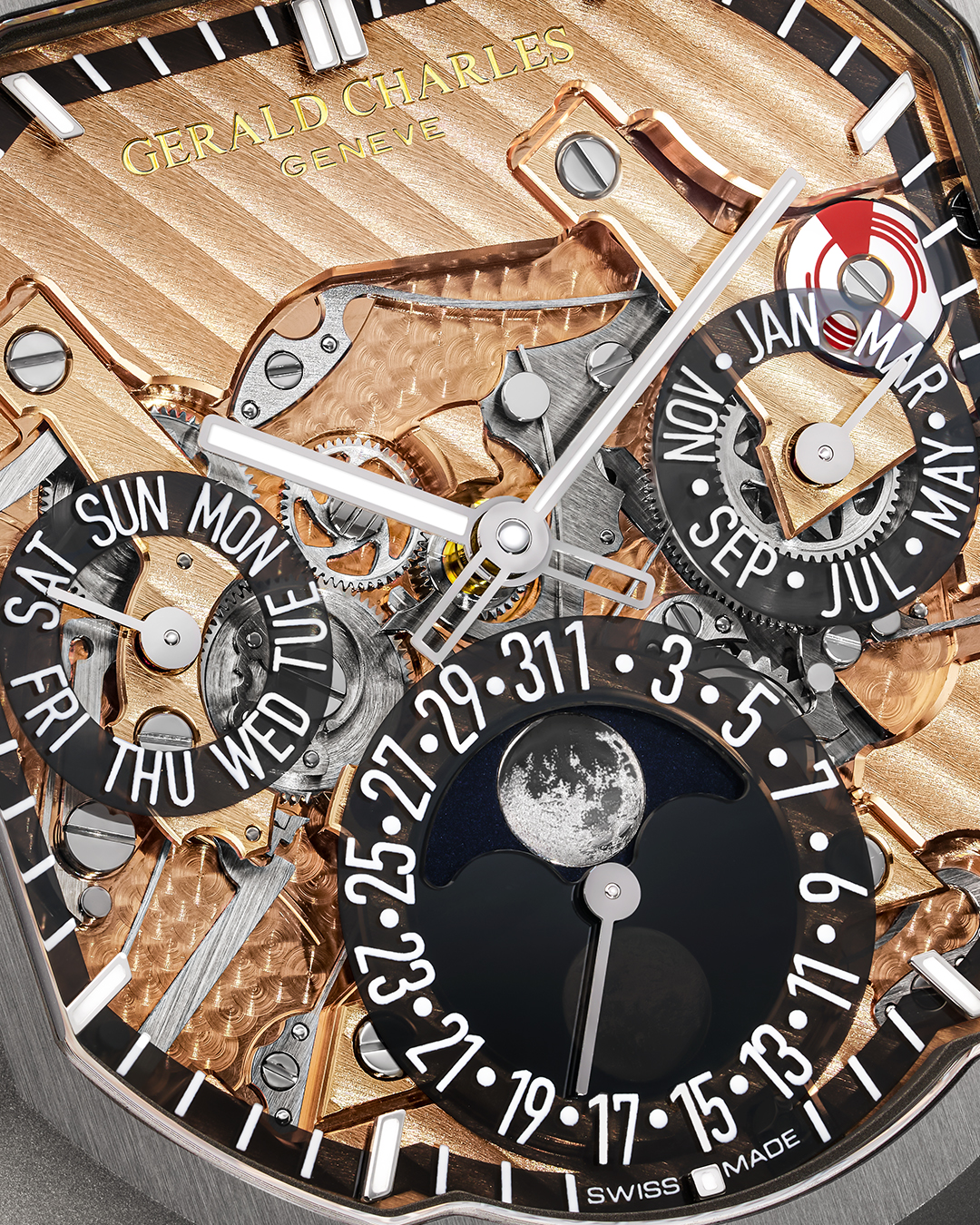
The construction of the sapphire dial presents a dual challenge: achieving the required tolerances for a component of extreme delicacy while ensuring full water-resistance within the architectural constraints of the asymmetric case. A dial of exceptional manufacturing complexity, engineered by the Maison through an uncompromising command of precision and horological execution.